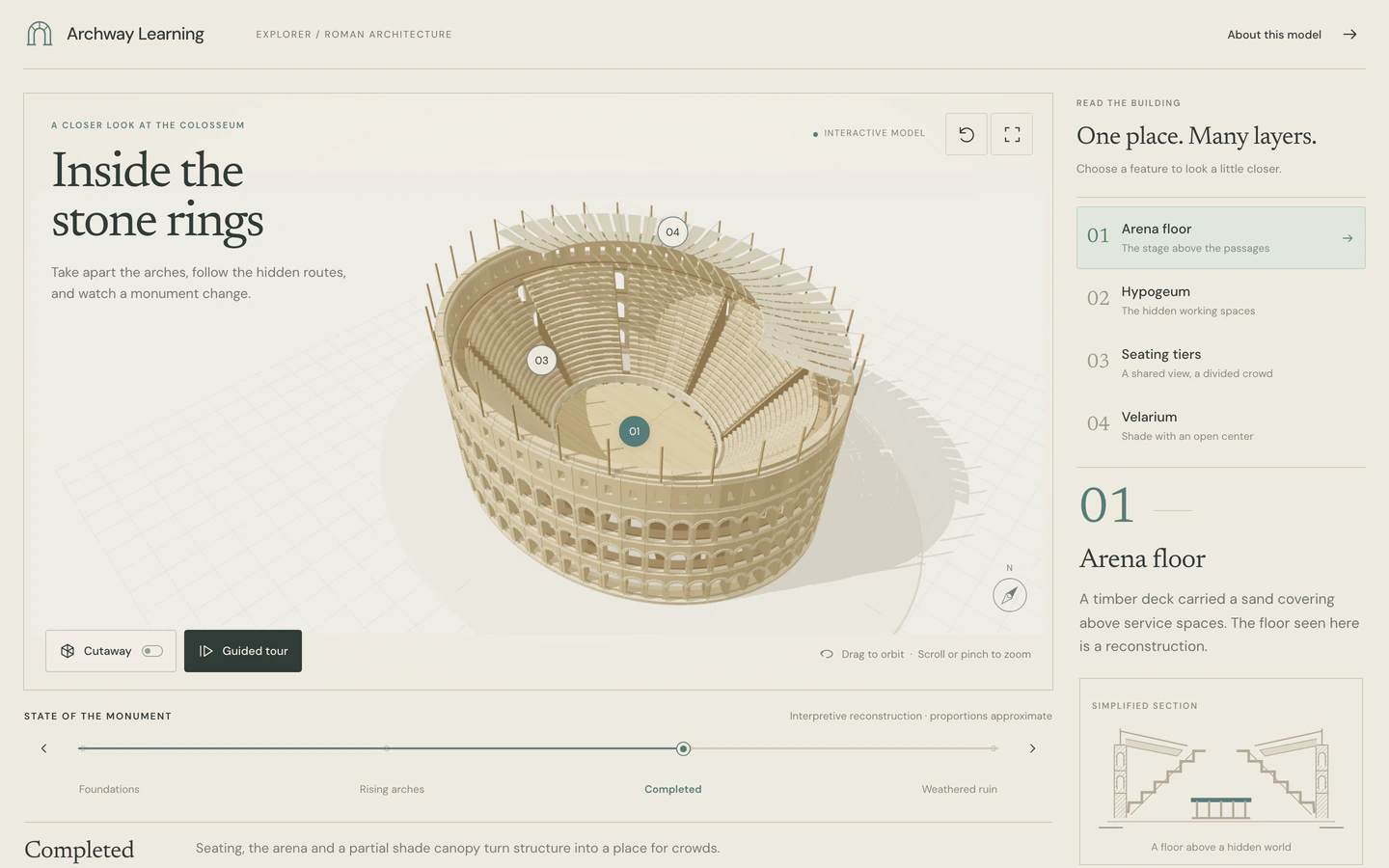
3D Colosseum History Explorer
Museum learning edition · Codex
ProGPT-6.1 Sol
AI model · OpenAI
20 websites built by GPT-6.1 Sol from VibeFather prompts, each with a live demo and the exact prompt behind it. Run the same prompt in your own AI coding tool and see how close you get.
Museum learning edition · Codex
Architectural field study · Codex
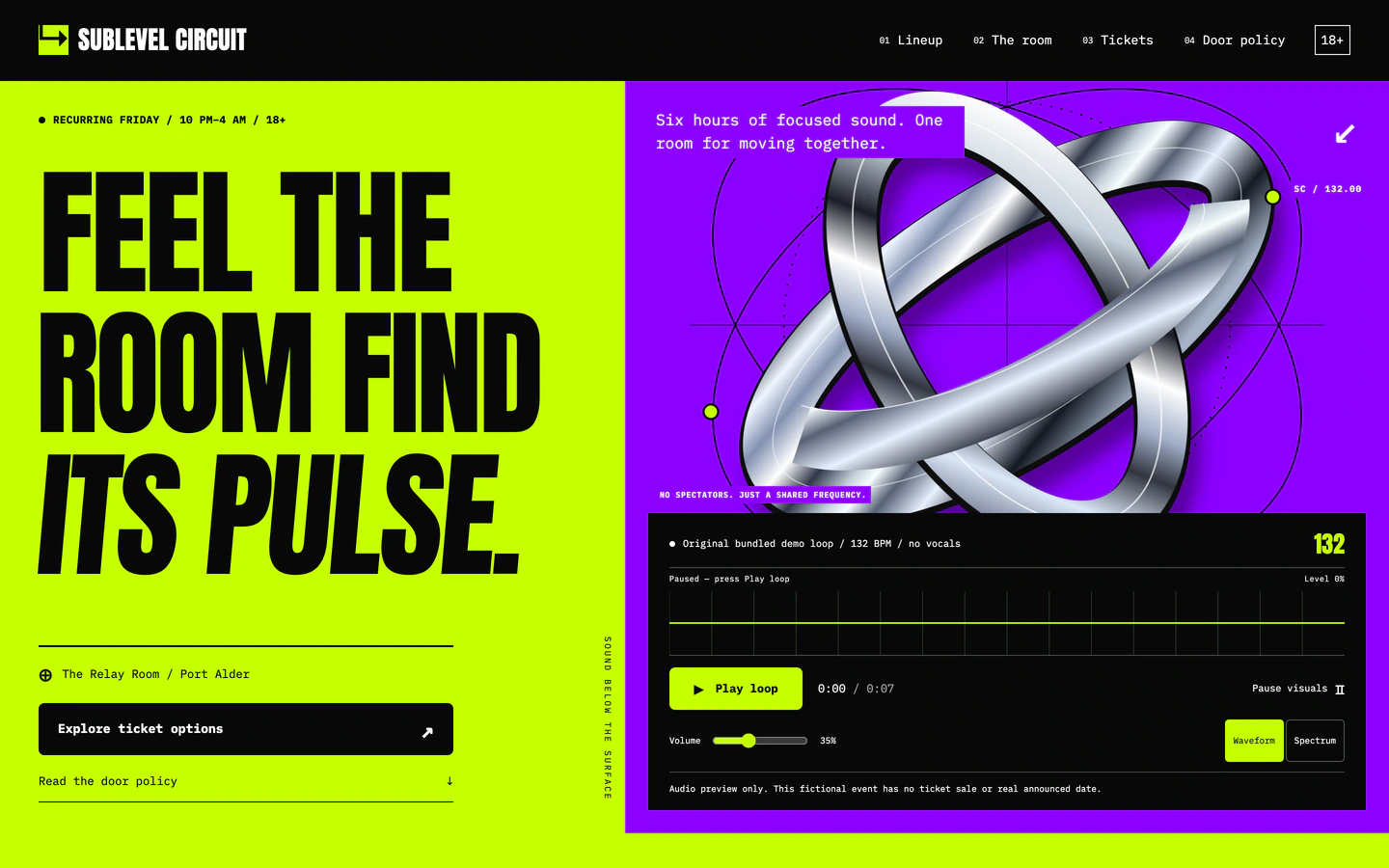
Underground techno night · Codex
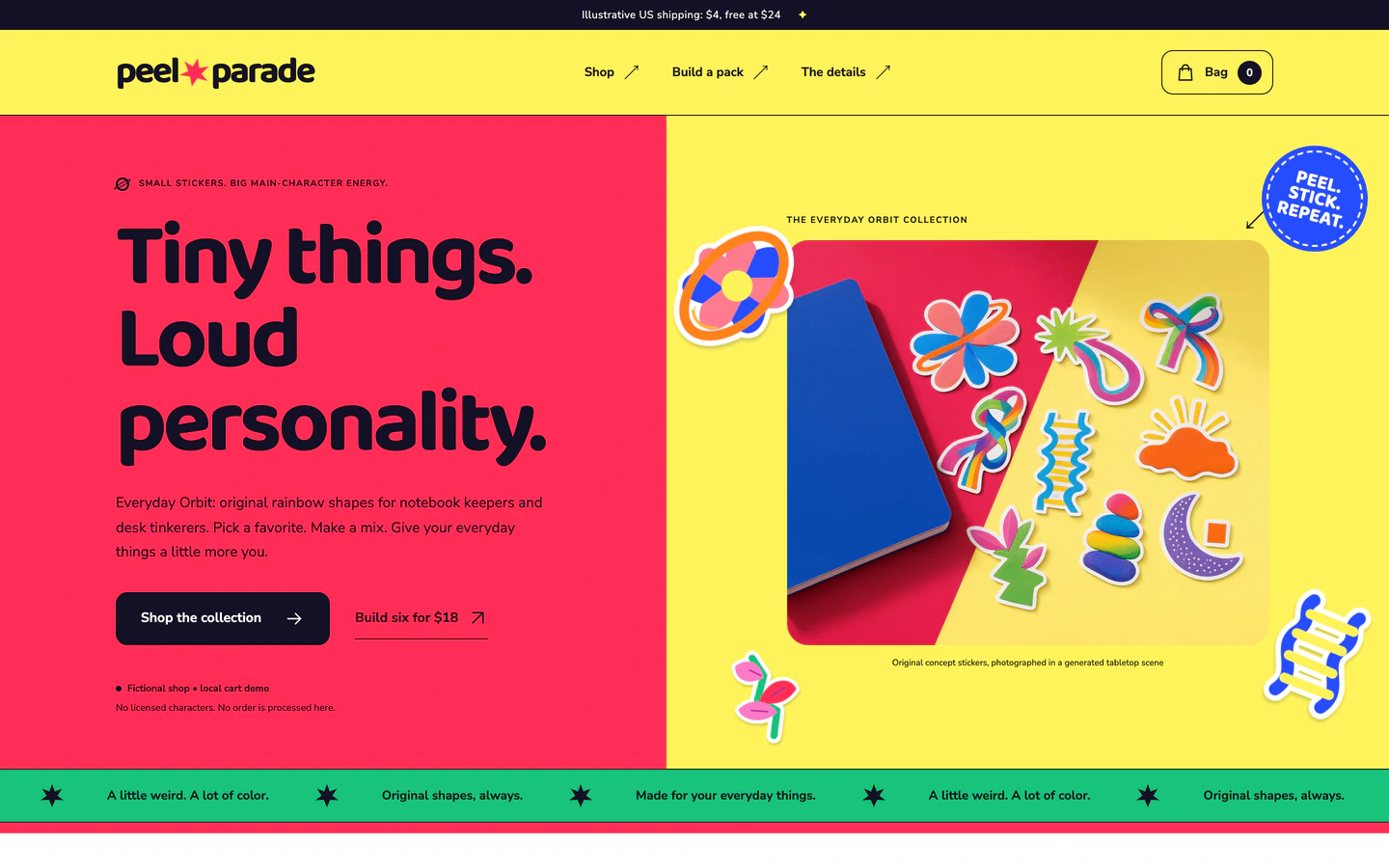
Desk sticker shop · Codex
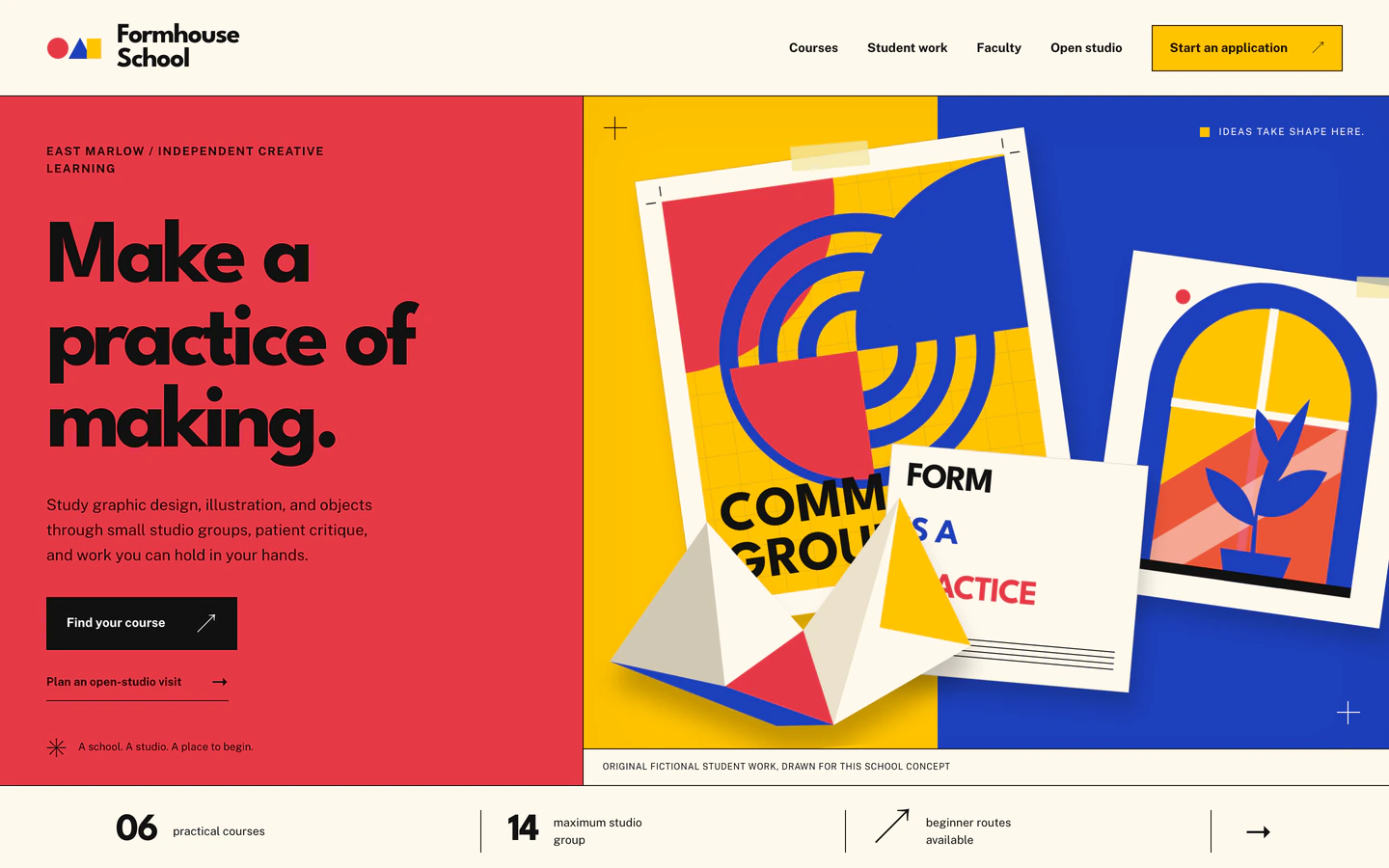
Independent design school · Codex
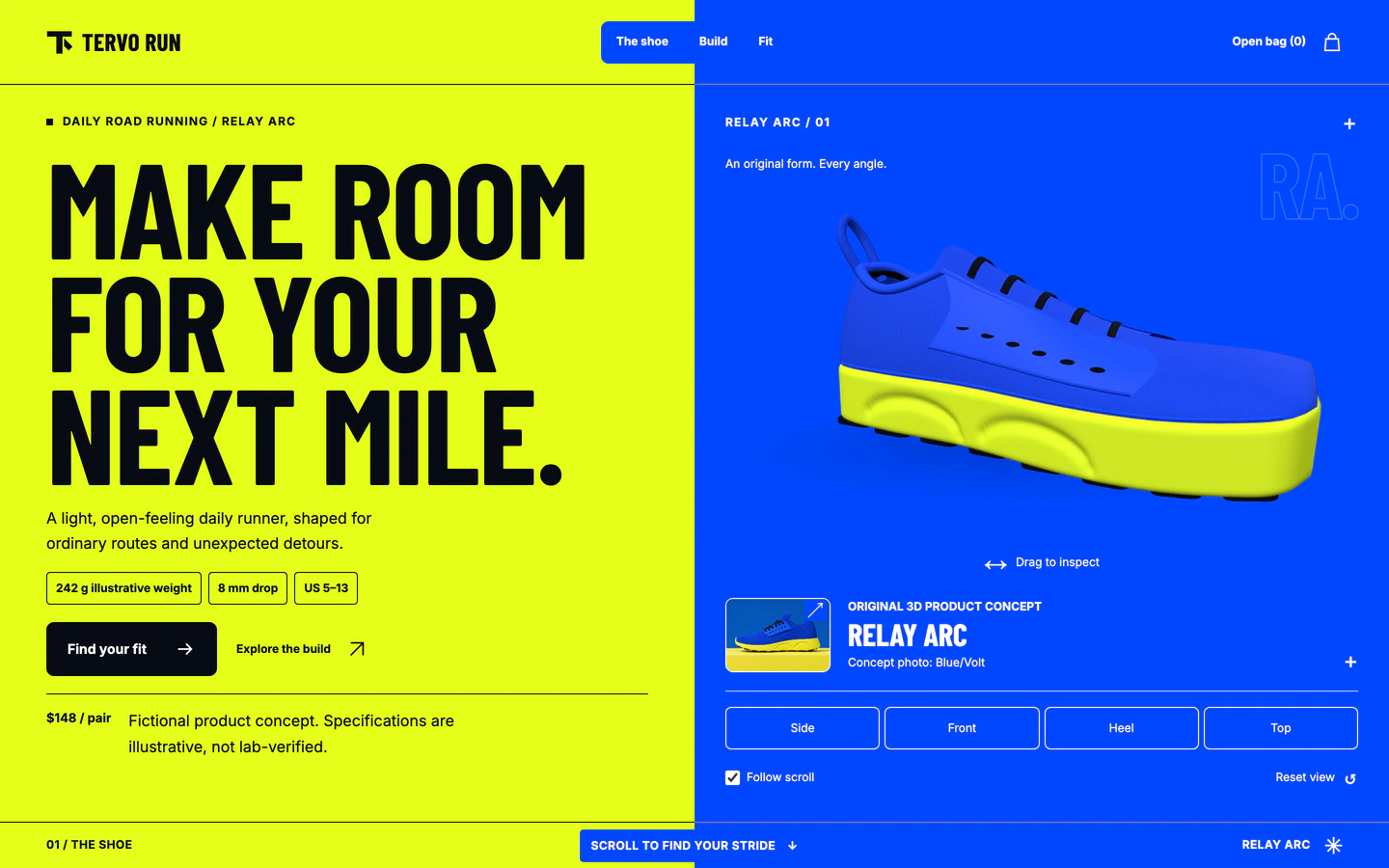
Everyday road runner · Codex
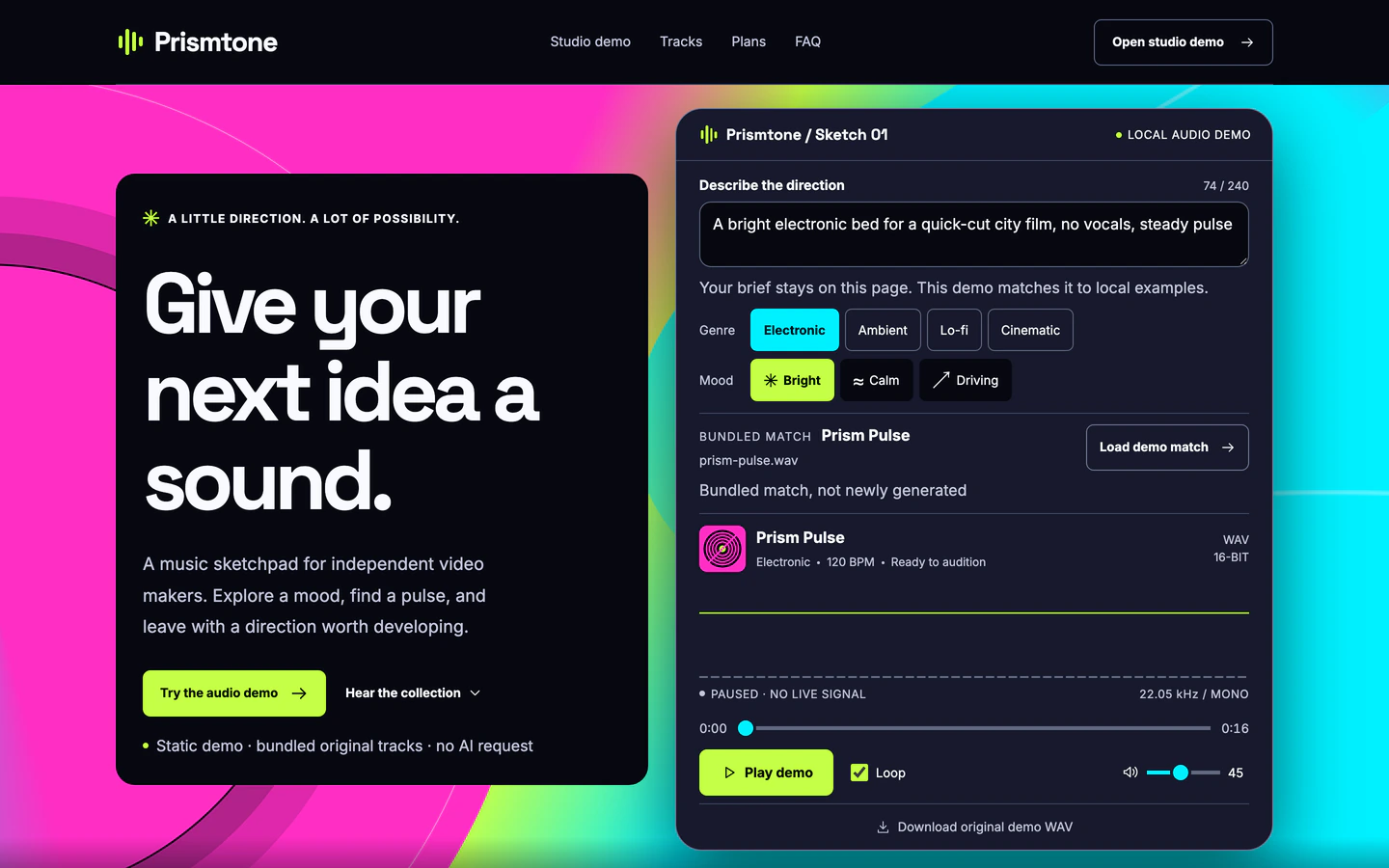
Video music sketchpad · Codex
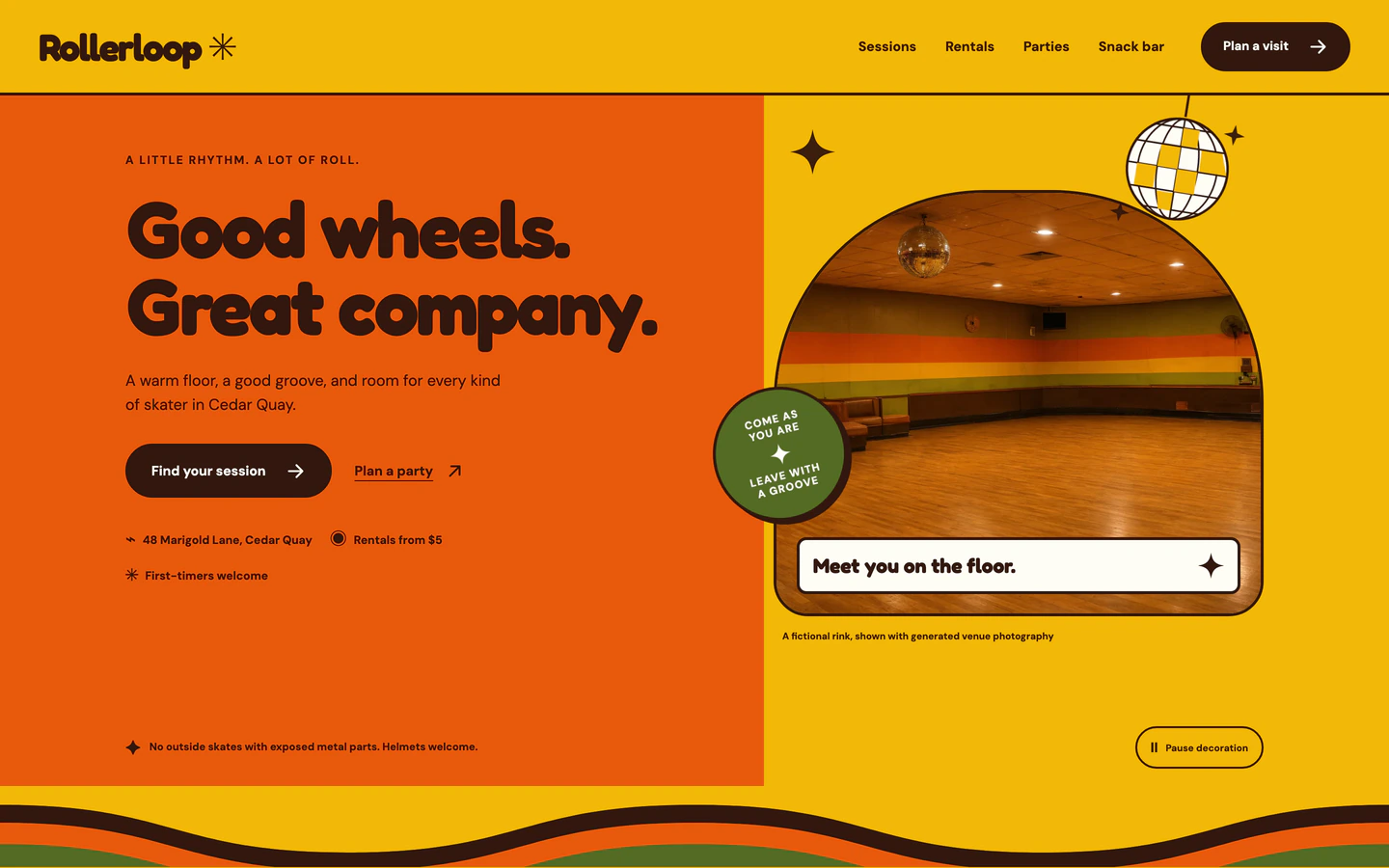
Neighborhood roller rink · Codex
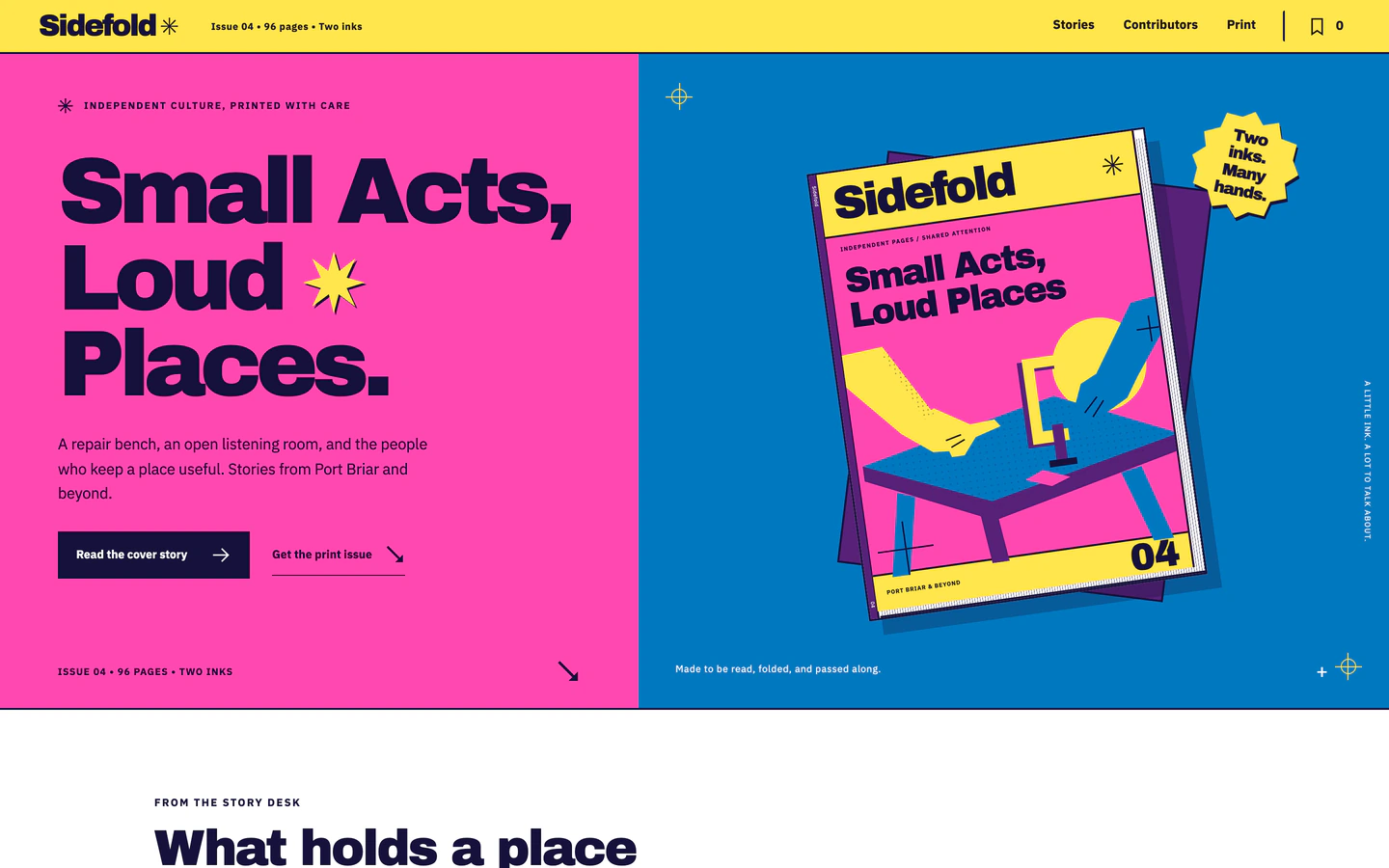
Independent culture magazine · Codex
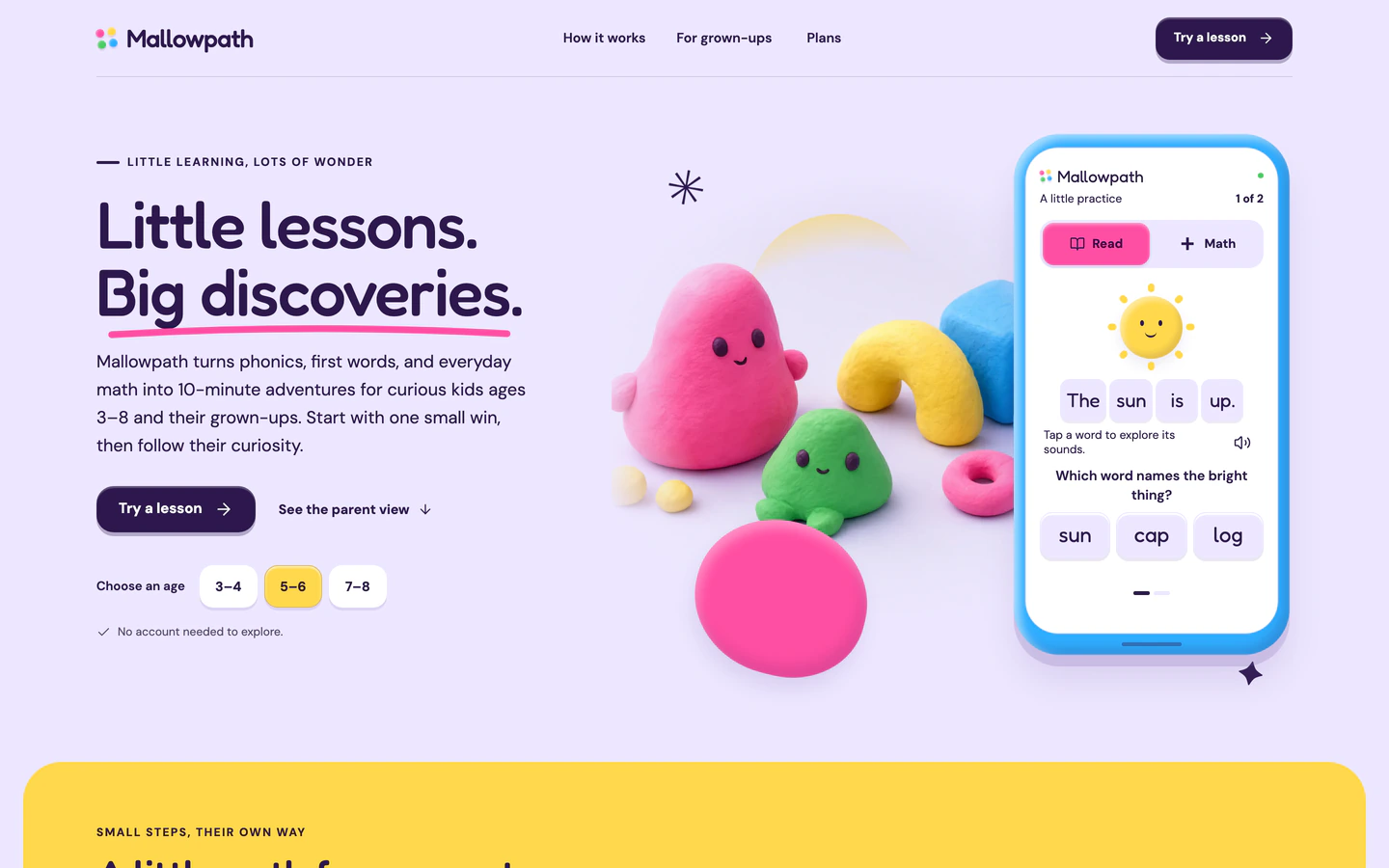
Early readers and counters · Codex
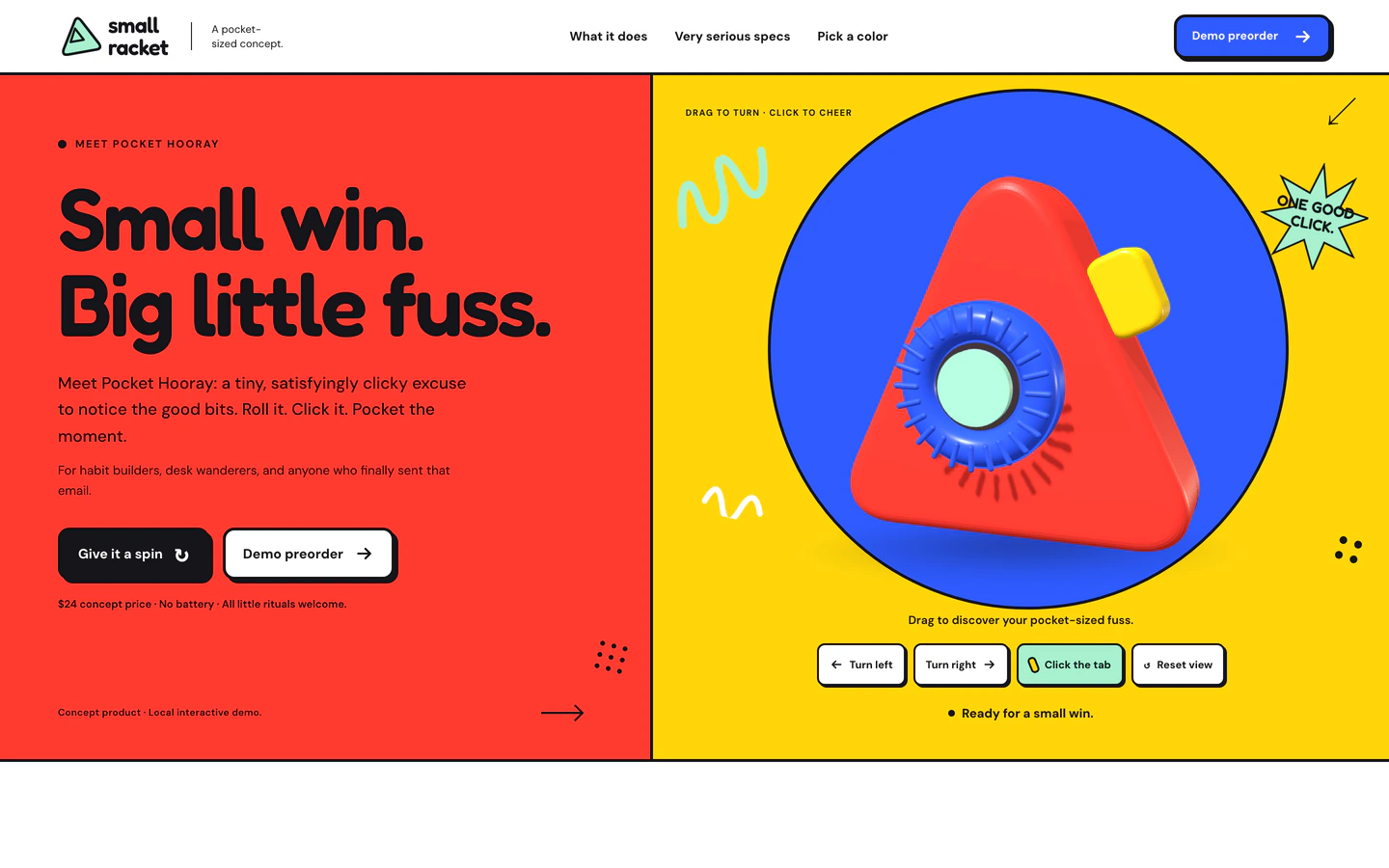
Pocket celebration gadget · Codex
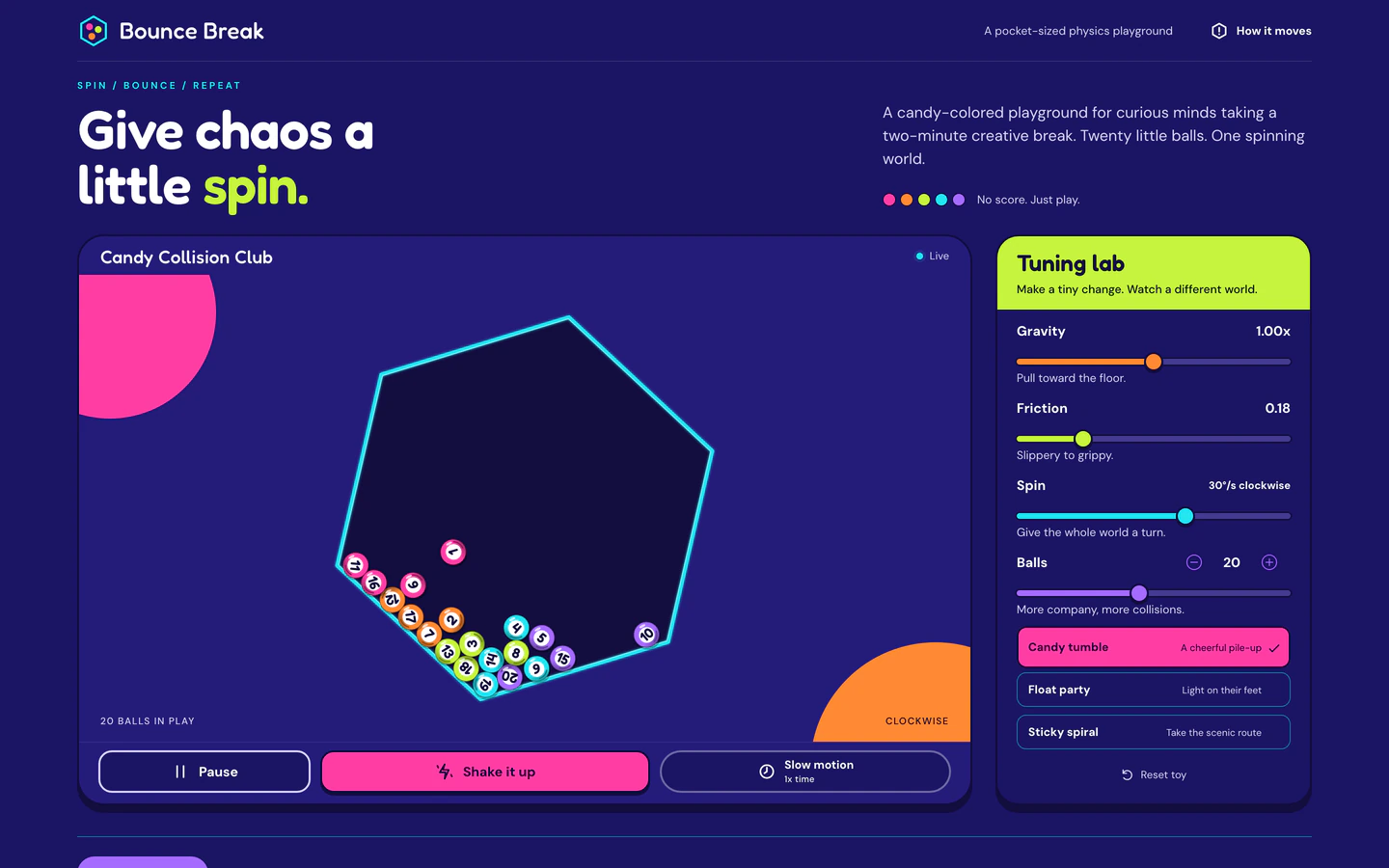
Creative break playground · Codex
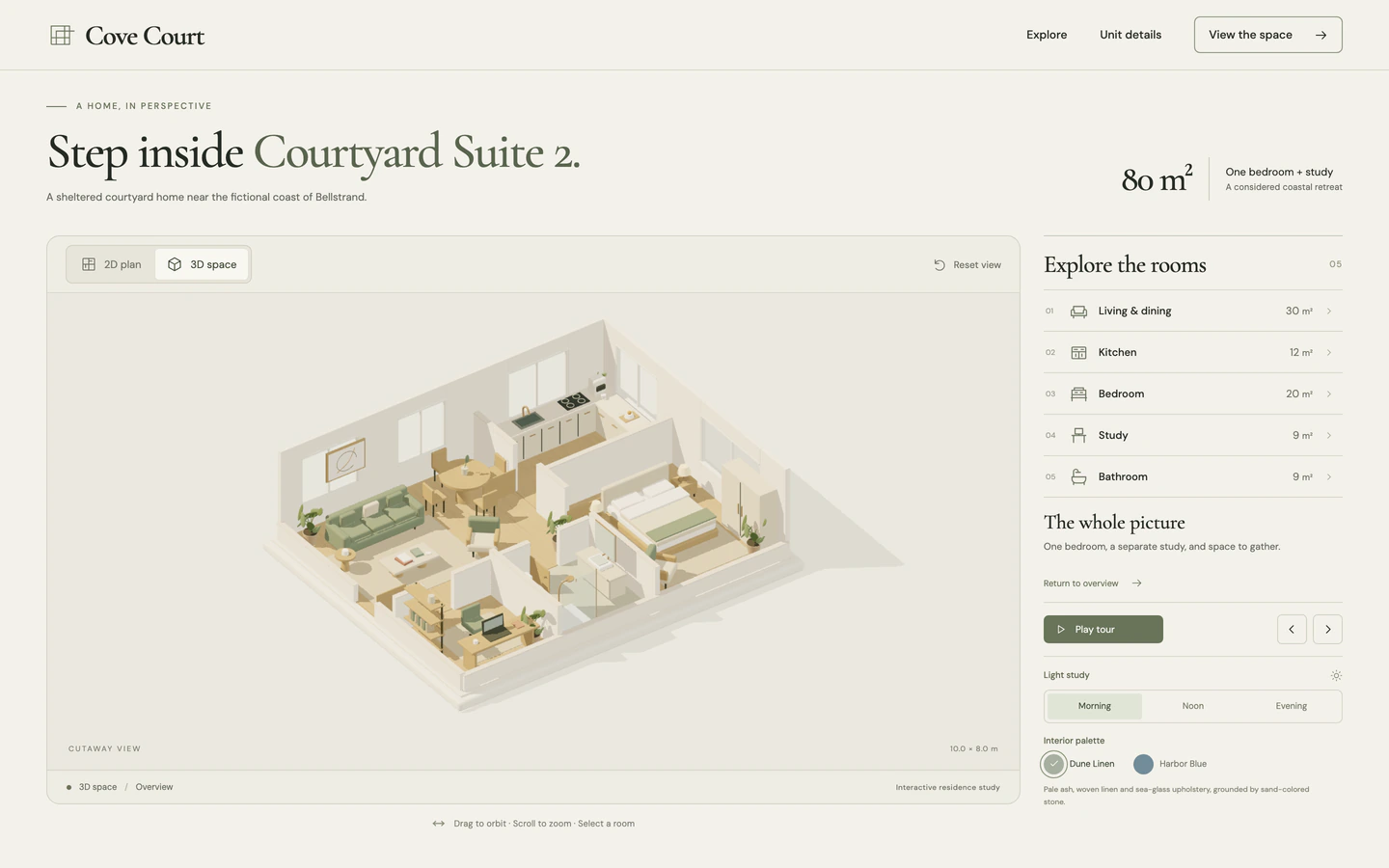
Cove Court coastal apartment · Codex
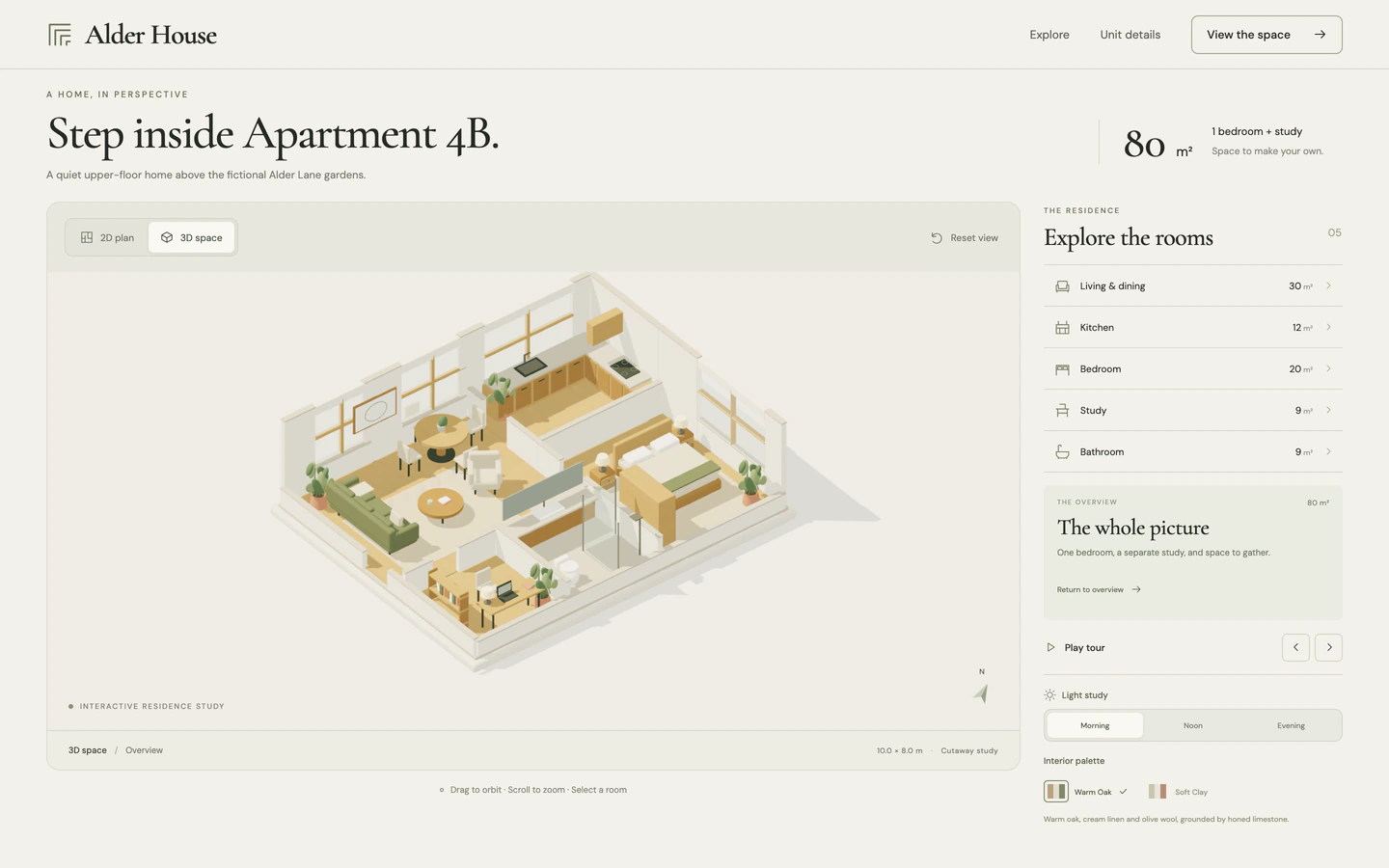
Alder House city apartment · Codex
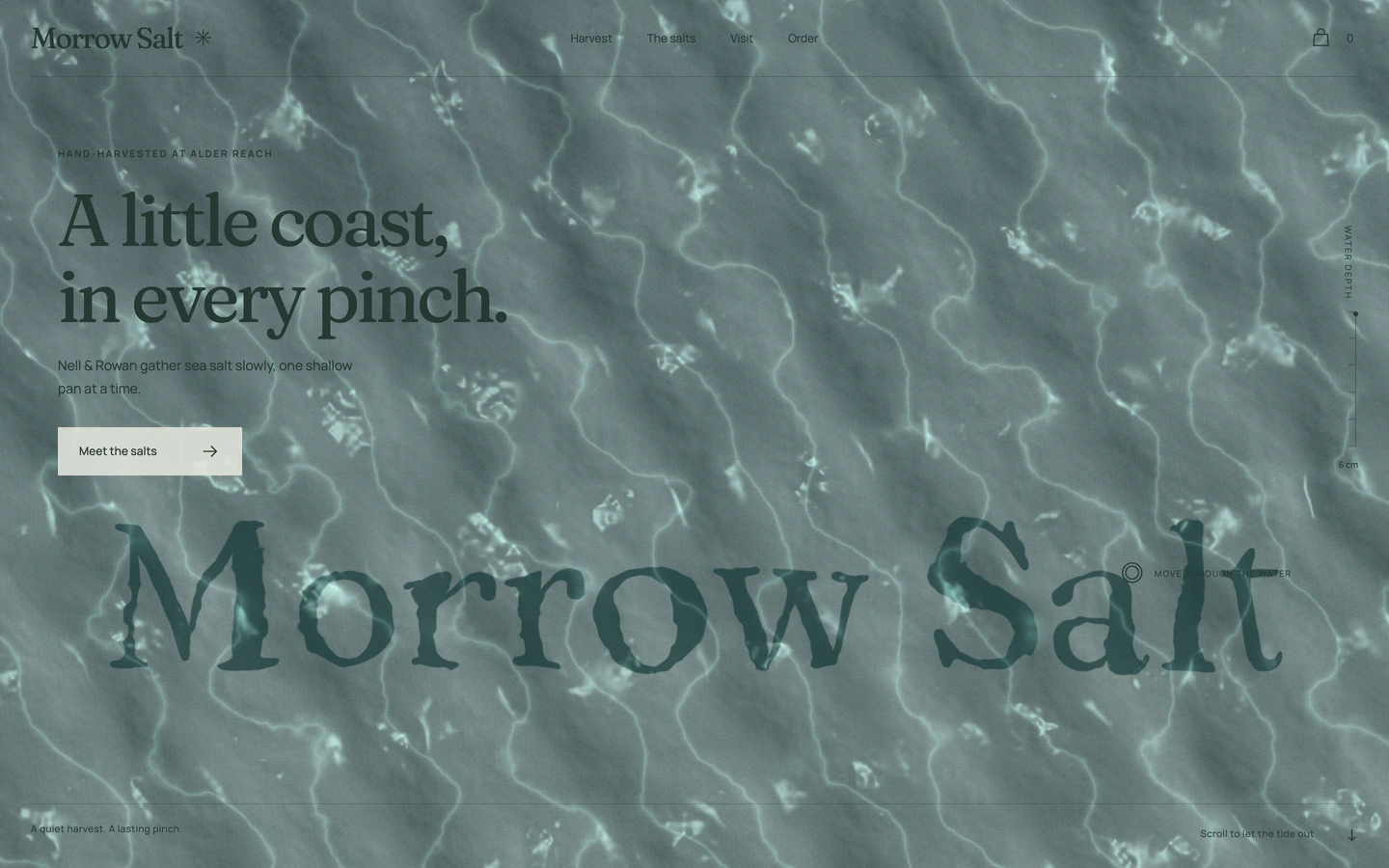
Alder Reach salt · Codex
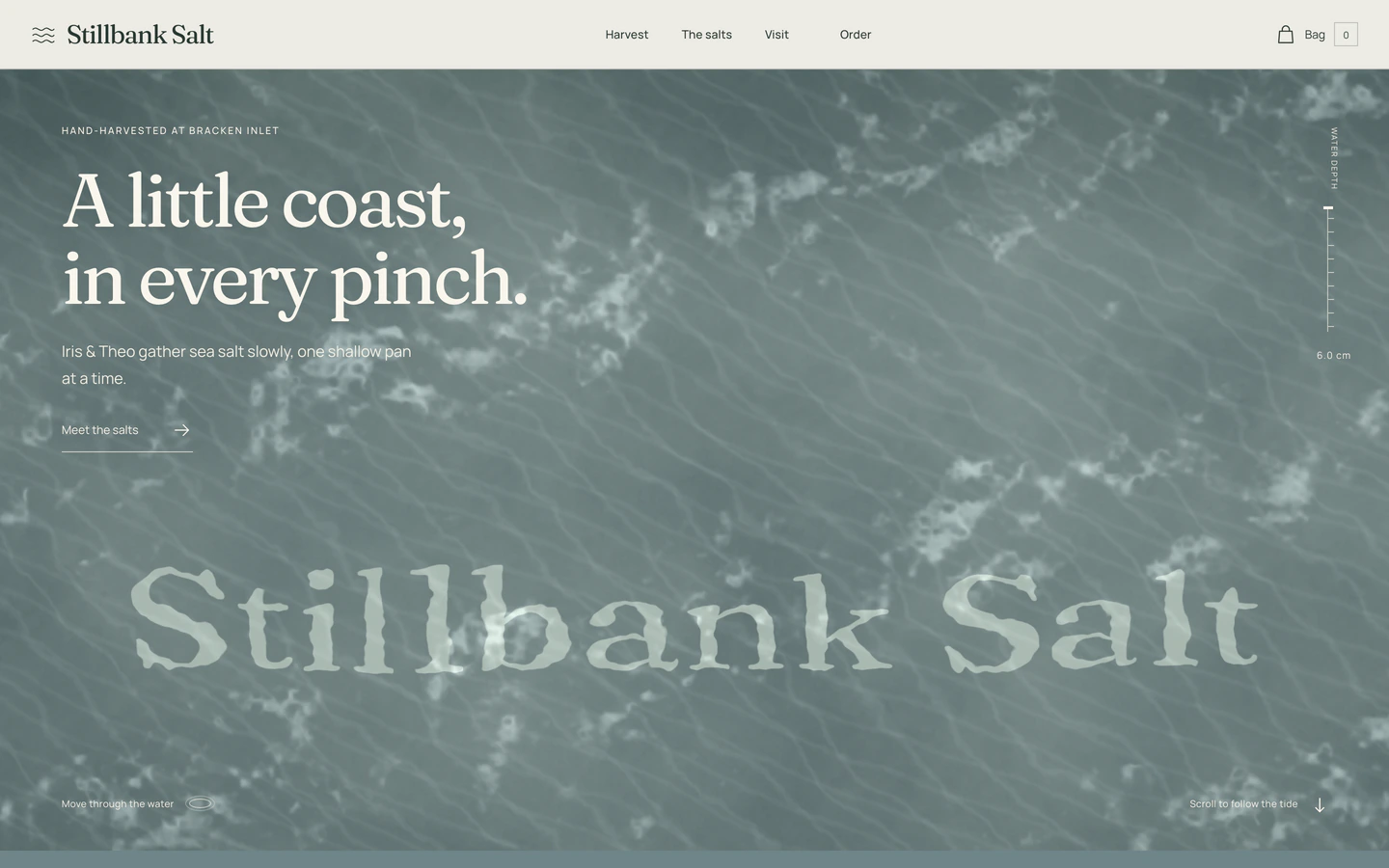
Bracken Inlet salt · Codex
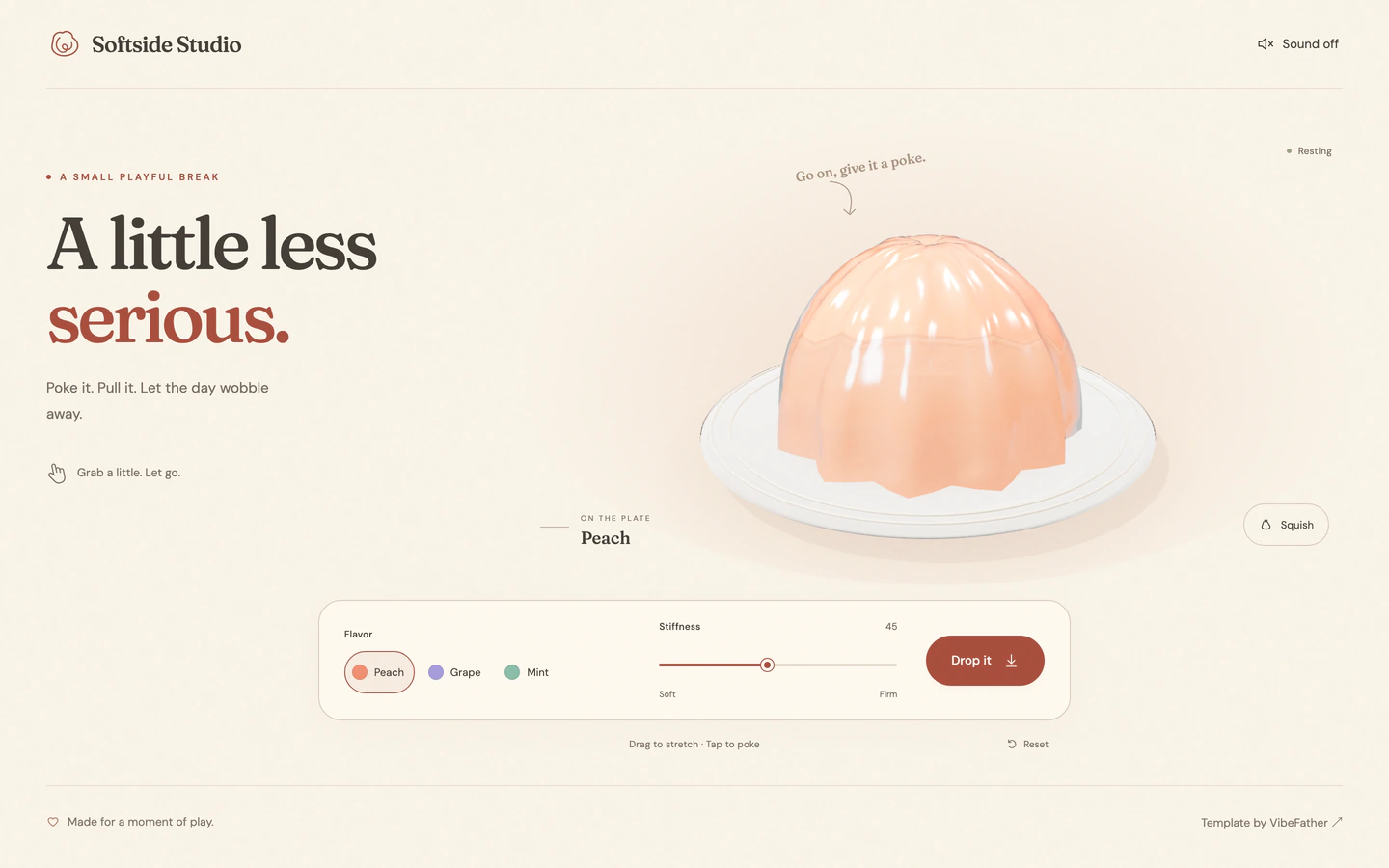
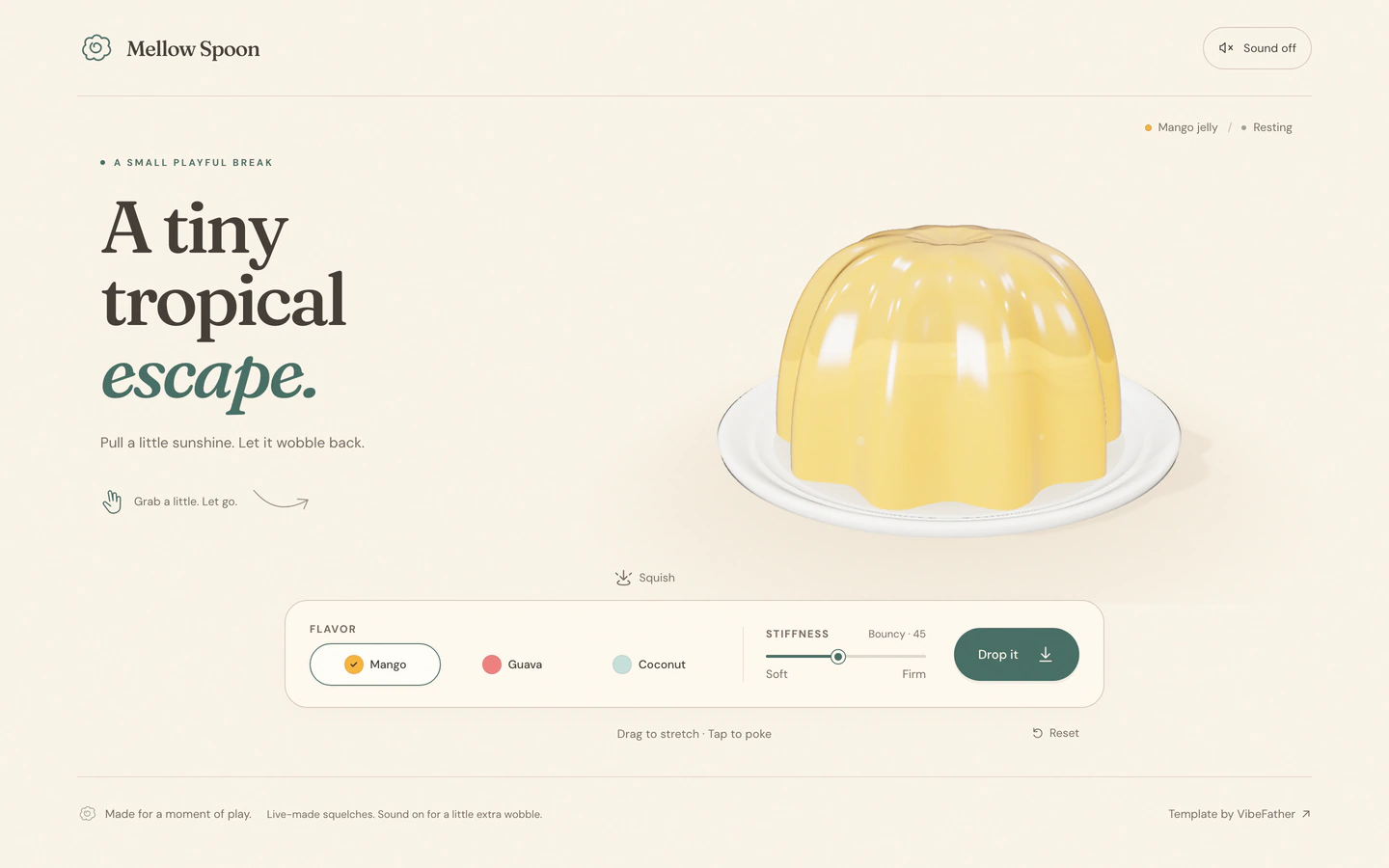
Soft fruit jelly studio · Codex
Tropical jelly tasting room · Codex
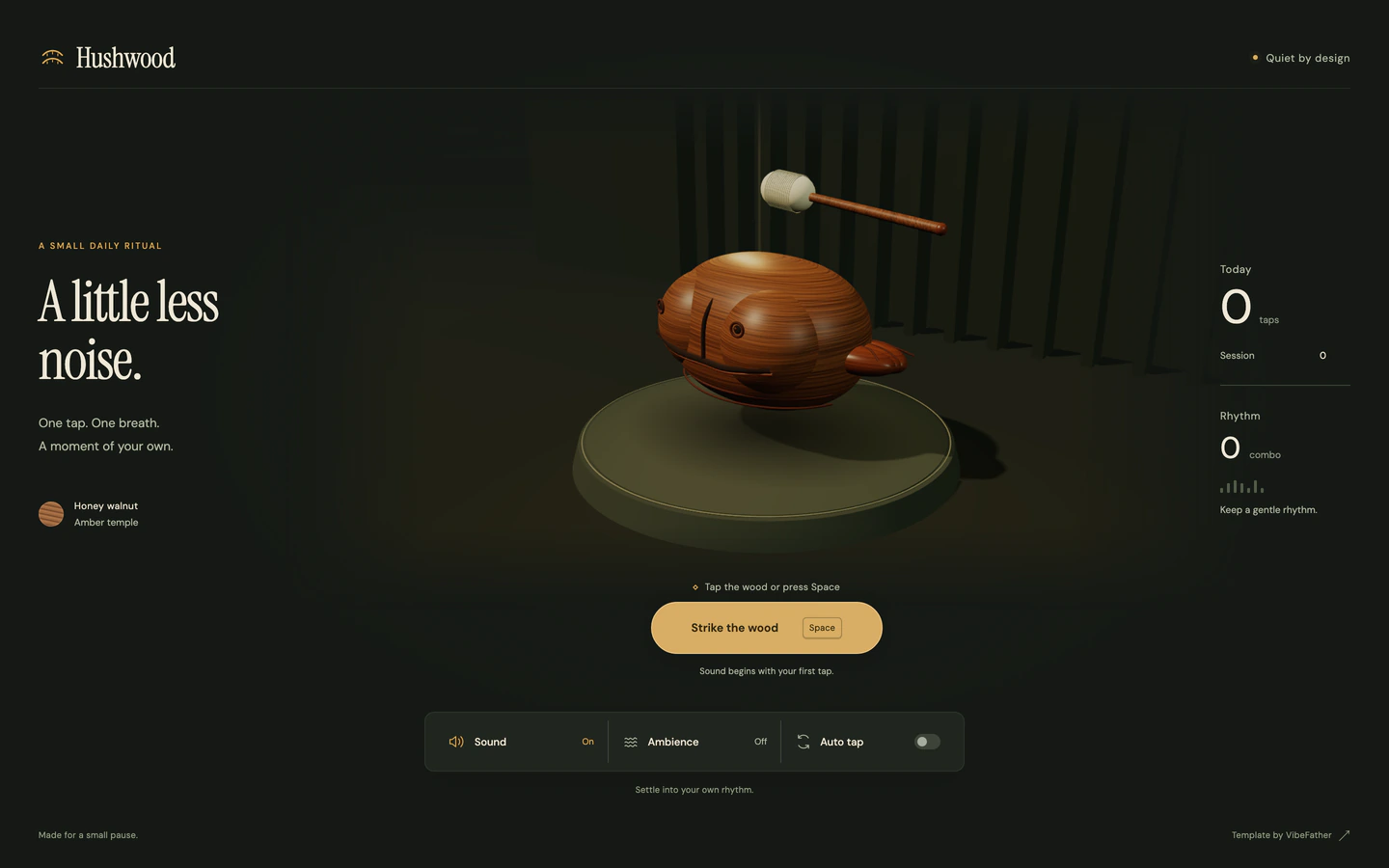
Amber walnut temple · Codex
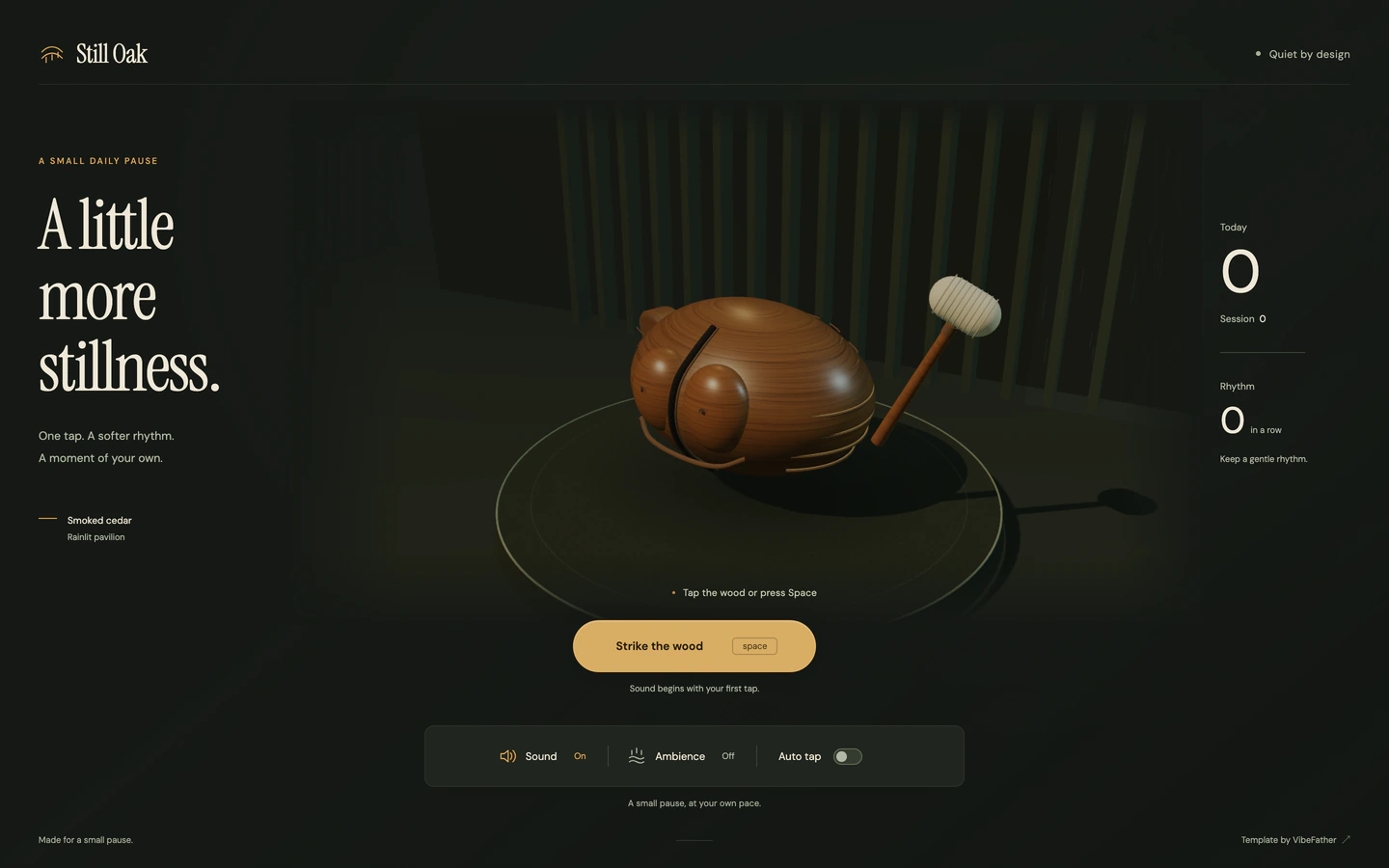
Rainlit cedar pavilion · Codex
By the numbers
20 websites built by GPT-6.1 Sol from VibeFather prompts, each with a live demo and the exact prompt behind it. Mostly landing page, interactive explainer and interactive toy, including 1 multi-page site and 12 with 3D / WebGL. Run the same prompt in Codex or any tool that offers GPT-6.1 Sol.
FAQ
Yes. All 20 sites on this page were built by GPT-6.1 Sol (OpenAI) running in Codex, each from one VibeFather prompt with nothing added. Every build was checked on desktop and mobile before it went live, and the prompt is on each template page so you can run the same text yourself.
Judge the output directly: 20 live demos across 15 templates, mostly landing page (10), interactive explainer (5), interactive toy (5) and e-commerce (4). Each one passed our review for layout, responsiveness, motion and copy before publishing. Open any card to use the real site rather than a screenshot.
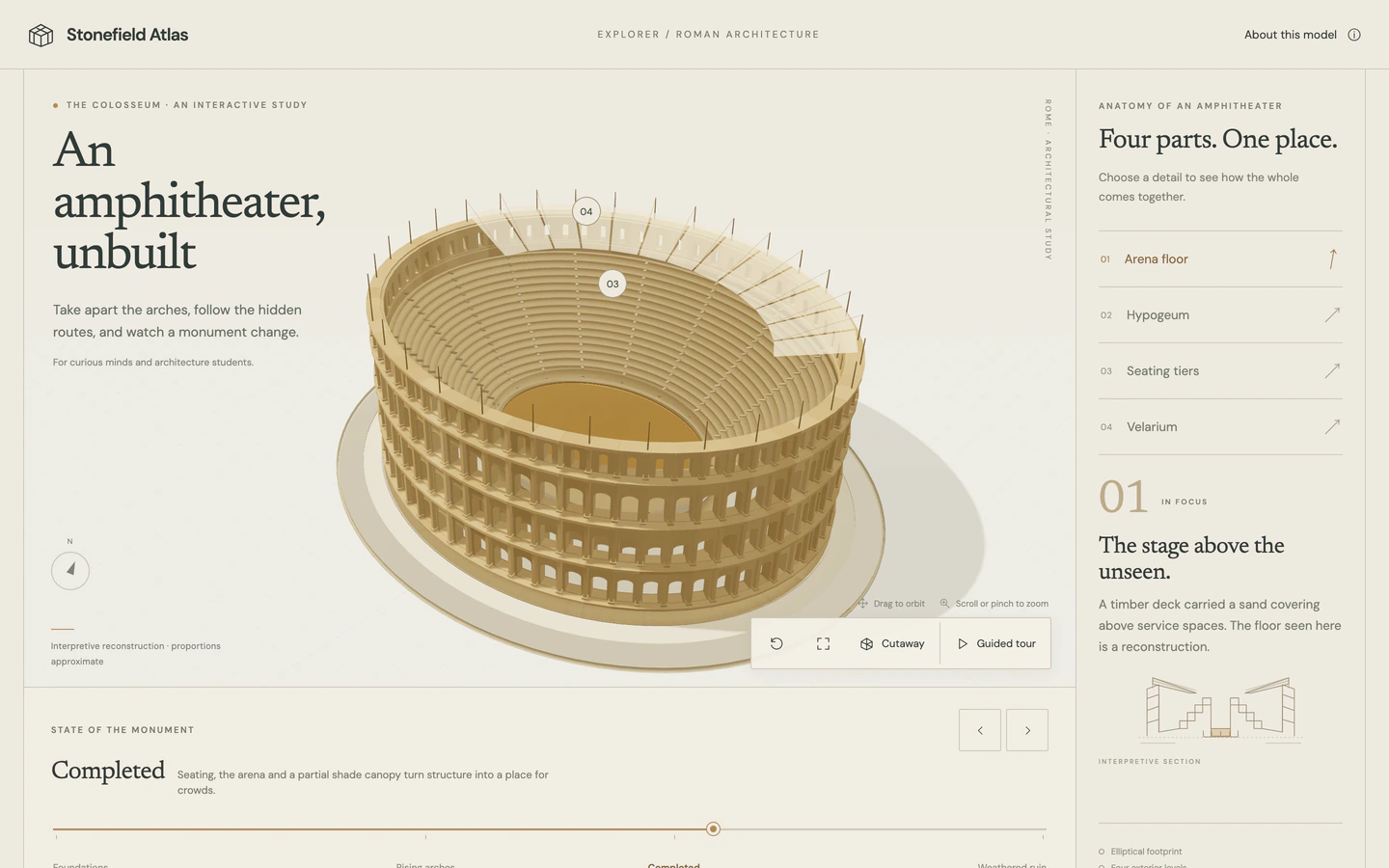
Yes. 12 of its builds use 3D / WebGL, 11 of them with Three.js — for example Interactive Apartment Floor Plan Tour, 3D Colosseum History Explorer and Sea Salt Brand Website.
Yes. 1 of its builds is a multi-page site, up to 2 pages from a single prompt — for example Risograph Indie Magazine Website.
Its builds include micro-interactions (16), scroll animation (7), page transitions (1) and text animation (1). The motion is written into each prompt, so the same prompt in your tool asks for the same effects.
Each prompt names its stack, and GPT-6.1 Sol followed it: plain html (11), three.js (11) and react (9). A typical build ships 14 files (about 738 KB built).
10 templates have a build from both models, made from the same prompt. The comparison page puts them side by side so you can judge the results yourself instead of relying on benchmarks.
We ran GPT-6.1 Sol in Codex. The prompts are plain Markdown, so any tool that offers GPT-6.1 Sol works — Claude Code, Codex, Cursor, Windsurf and others. You can also run npx vibefather add <slug> to drop prompt.md and DESIGN.md into a project.
9 of these templates have a free prompt (CC BY-NC 4.0 for personal projects); 6 are Pro. Pro includes every prompt, the source code of each live demo and a commercial license.